Blog Posts

Electrical Improvements That Increase Your Home Value

Small blue house

Electrical Improvements That Increase Your Home Value


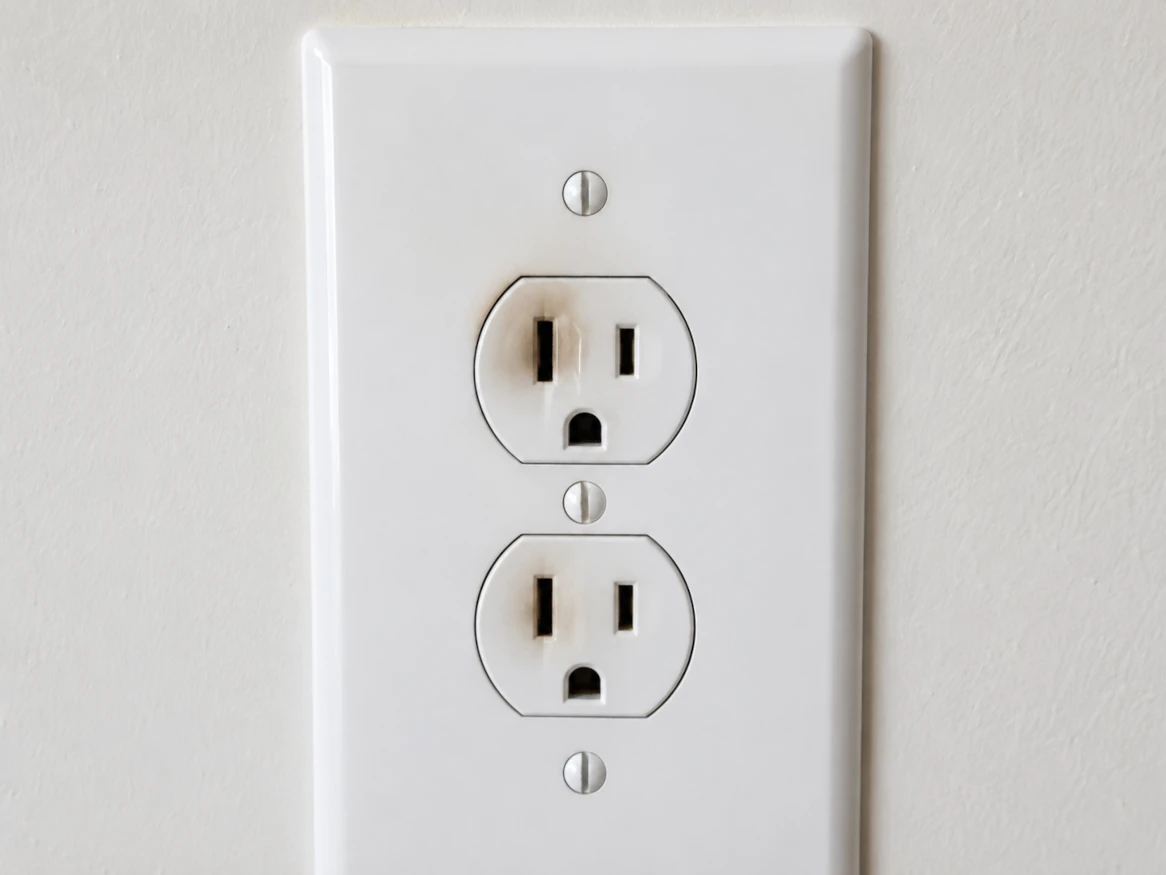
When homeowners begin to think about increasing the value of their property, bathroom upgrades and kitchen renovations are what often come to mind.  However, electrical improvements can also greatly impact value by enhancing safety and functionality.  Modern buyers are more likely to look at houses with up-to-date electrical systems that can easily and safely support modern appliances and technologies.  Modernizing your home’s electrical system is a great way to raise property value and make it more attractive on the market.


Electrical Panel Upgrades


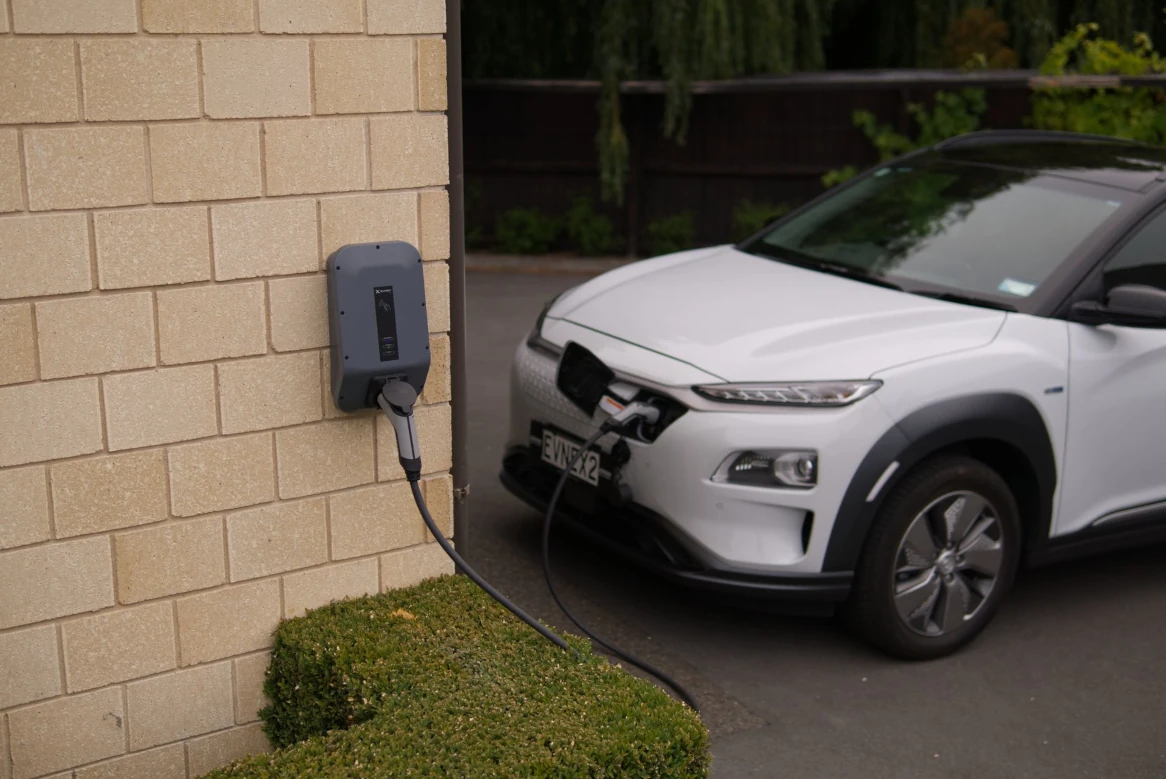
If you have an older home, it is likely that your electrical panel was designed for a time when households had far fewer electronic devices and appliances.  A modern electrical panel provides additional capacity and improved safety while supporting upgrades such as electric vehicle chargers, home offices, and new kitchen appliances.


For buyers, an updated …

Read Full Post

Where Are GFCI Outlets Required?

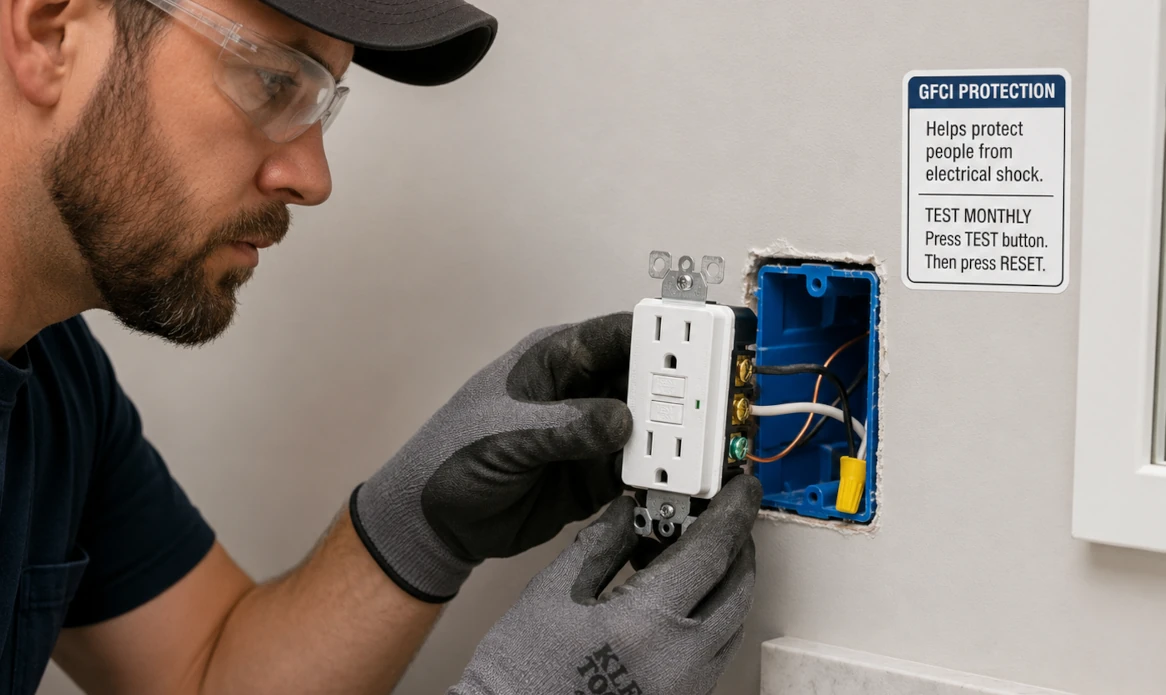
An electrician installing a GFCI outlet in a bathroom about the sink counter.

Where Are GFCI Outlets Required?


One of the most important safety features in a home’s electrical system is a Ground Fault Circuit Interrupter (GFCI) outlet. The main purpose of a GFCI is to protect people from electrical shock by shutting off power when it detects a ground fault. A ground fault occurs when electricity takes an unintended path to the ground, such as through a person, water, or another conductive material, instead of safely flowing through the electrical wiring. 


If you’re remodeling your home, replacing outlets, or simply wondering whether your electrical system meets current safety standards, it’s helpful to know where a GFCI protection is typically required and where it provides the most protection.


How Does a GFCI Work?


A GFCI works by monitoring the flow of electricity between the hot and neutral wires.  If a GFCI detects an issue with the power …

Read Full Post

What Causes Lights to Flicker

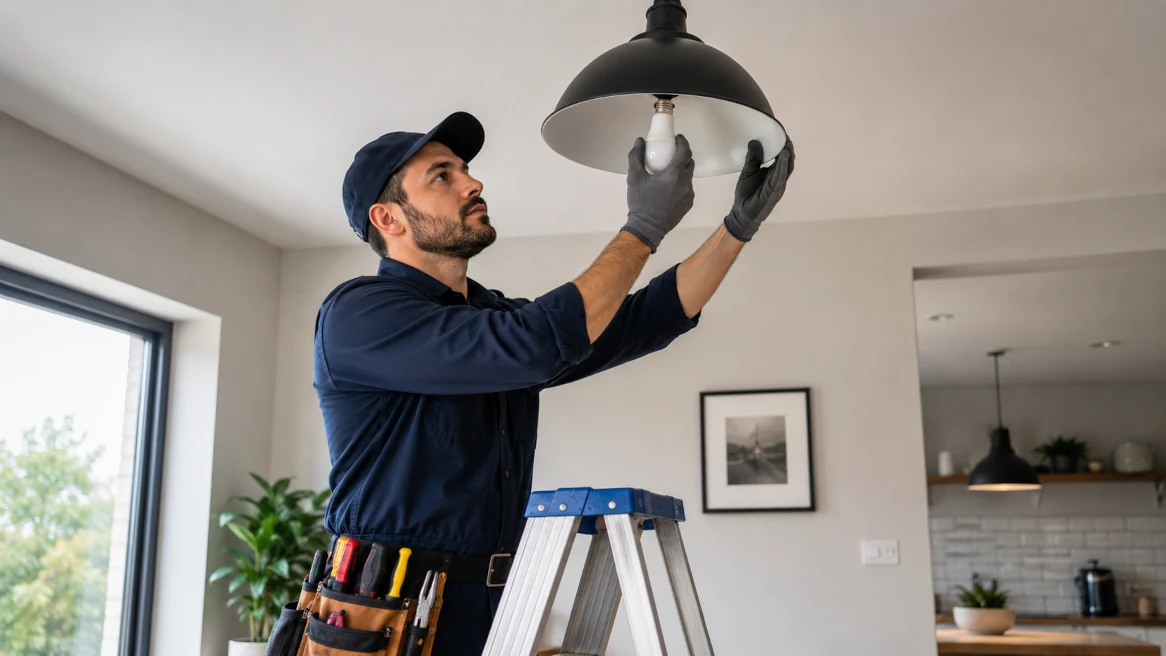
An electrician on a ladder changing a light bulb in a hanging light fixture.

What Causes Lights to Flicker


When a light in your home starts to flicker, the usual assumption is that the bulb is going bad. While that is often true, a flickering light could also be a warning sign of a more serious electrical issue. Some examples of these issues include loose electrical connections, voltage fluctuations, and overloaded circuits. Some of these issues may be a potential fire hazard. Understanding the cause can help you determine whether it's a simple fix or if it's time to call a licensed electrician.


Loose or Failing Light Bulb


Before considering worst-case scenarios, look at the most common issues, starting with the light bulb. Normal activity around your house can cause vibrations that can loosen the light bulb, leading to a poor connection.  Your first step should be to make sure the light bulb is securely screwed into the fixture.

Read Full Post

Electrician Pricing: What to Know Before Choosing the Cheapest Quote

Electrician holding a clip board

Electrician Pricing: What to Know Before Choosing the Cheapest Quote


When hiring an electrician, you’ll first want to know how much it will cost.


Electrician pricing can differ, depending on the scope of the job, the electrician’s experience, and their licensing.


Low pricing is appealing, but it’s essential to understand what’s included in the pricing. Saving money is key, but picking the cheapest quote can end up costing you more.


Red Flags of Suspiciously Low Phone Quotes


Base or Travel Charge


Phone quotes are quick and easy. But to get an accurate quote for most electrical jobs, you need an on-site estimate.


Many companies have a travel or base charge ranging from $29 to $89 on average. Licensed electricians usually don't provide services at these prices.


Instead, these prices …

Read Full Post

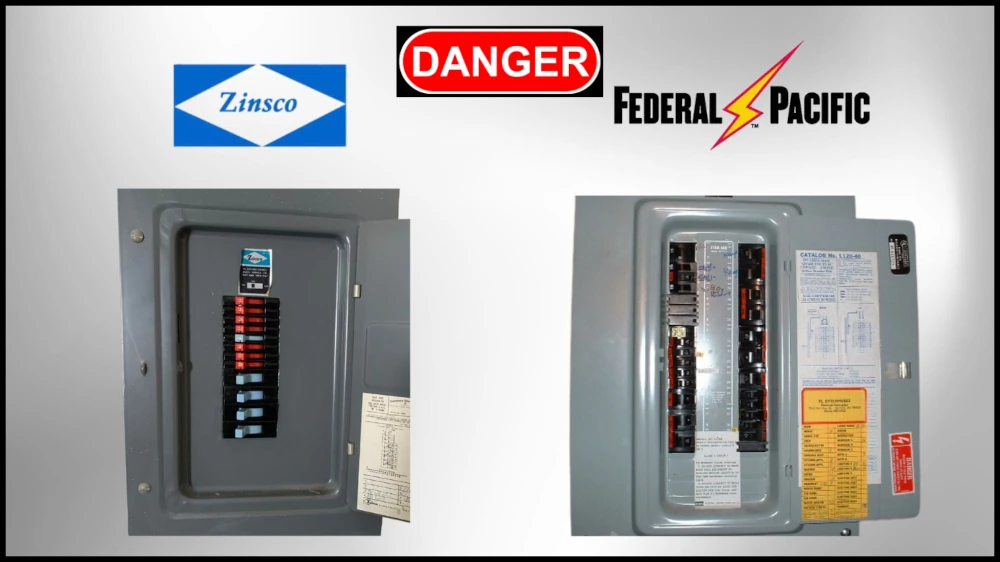
Federal Pacific Electric & Zinsco Panels: Are They Putting Your Home at Risk?

A Zinsco electrical panel and a Federal Pacific electrical panel

If your home was built or renovated between the 1950s and 1980s, there is a chance that you have a Federal Pacific Electric (FPE) or Zinsco panel – both of which pose significant safety risks. These outdated panels have been linked to breaker malfunctions, residential fires, and electrical code violations.


Why Federal Pacific Electric (FPE) Panels are Dangerous


Federal Pacific Electric panels, particularly those with Stab-Lok Breakers, have a high failure rate. These breakers often fail to trip. Breakers shut off power to prevent overheating. During an overload or short circuit, your breakers must trip properly to decrease the risk of an electrical fire. With an FPE panel, your breakers may not trip. 


Signs You May Have Federal Pacific Electric Panel


 “Federal Pacific Electric” or “FPE” are on the panel label
 Stab-Lok Breakers are in the panel
 Home built between the 1950s …

Read Full Post

9 Clear Signs You Need to Upgrade Your Electrical Panel for Safety and Efficiency

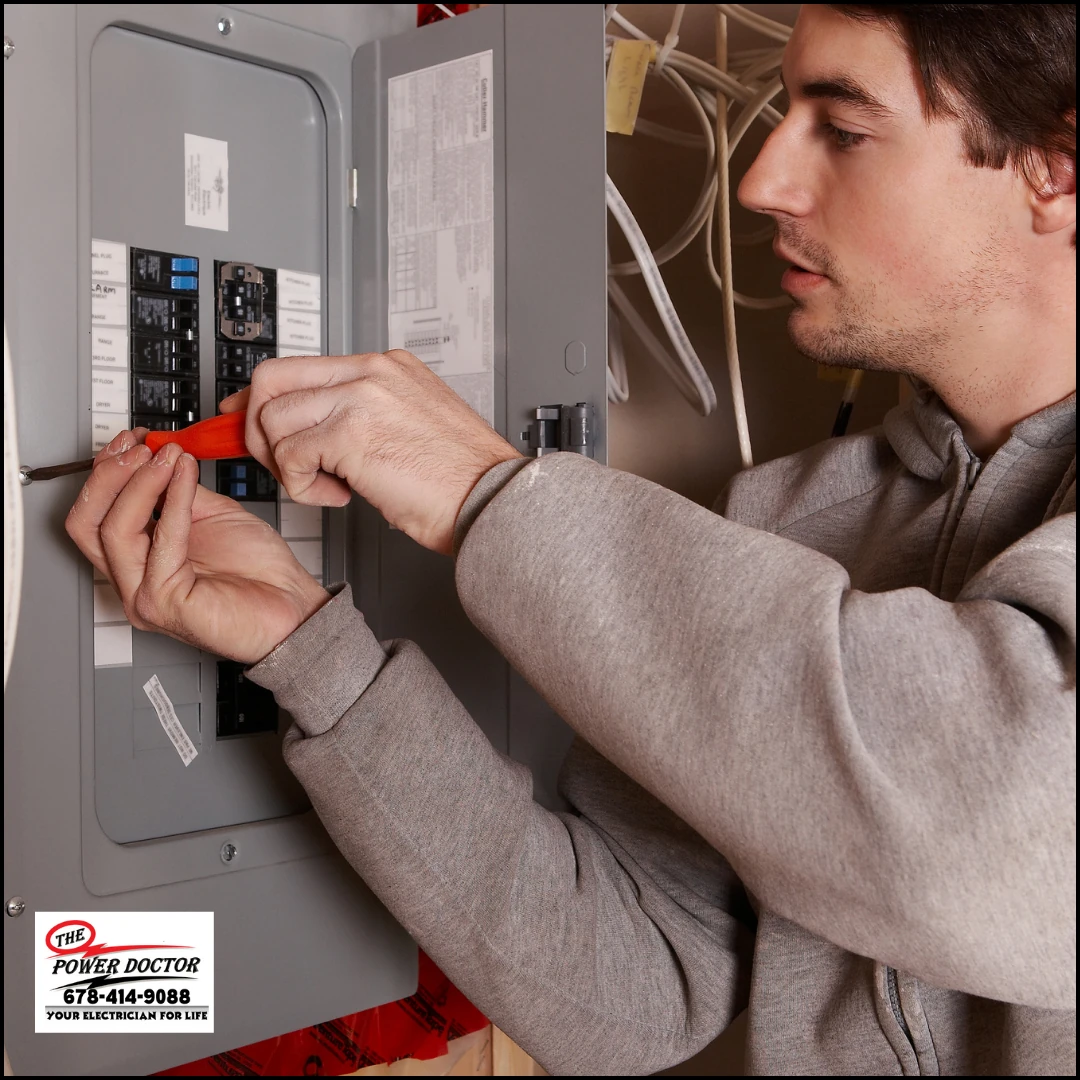
Electrician opening an electrical panel

Your home’s electrical panel, also known as a breaker box or fuse box, is the heart of your electrical system. Growing families, home remodels, and upgraded appliances can stress your electrical panel. Two once popular panels, Federal Pacific Electric and Zinsco, are now considered dangerous. Your electrical panel may be insufficient for the load placed on it or outdated and hazardous.

Here’s when it is time to consider upgrading your panel:


1. Your Panel is Federal Pacific Electric (FPE) or Zinsco

Federal Pacific and Zinsco panels were once popular and affordable. These panels were frequently installed in homes from the 1950s to the 1980s. Today, both panels are deemed unsafe. Mortgage companies and insurance companies require these panels to be replaced. If your panel is either of these brands, an upgrade is essential.

2. Frequently Tripping Breakers

If your circuit breakers trip regularly, it may mean your …

Read Full Post

Do Space Heaters Use a Lot of Electricity? Why Plugging One into an Extension Cord is Dangerous

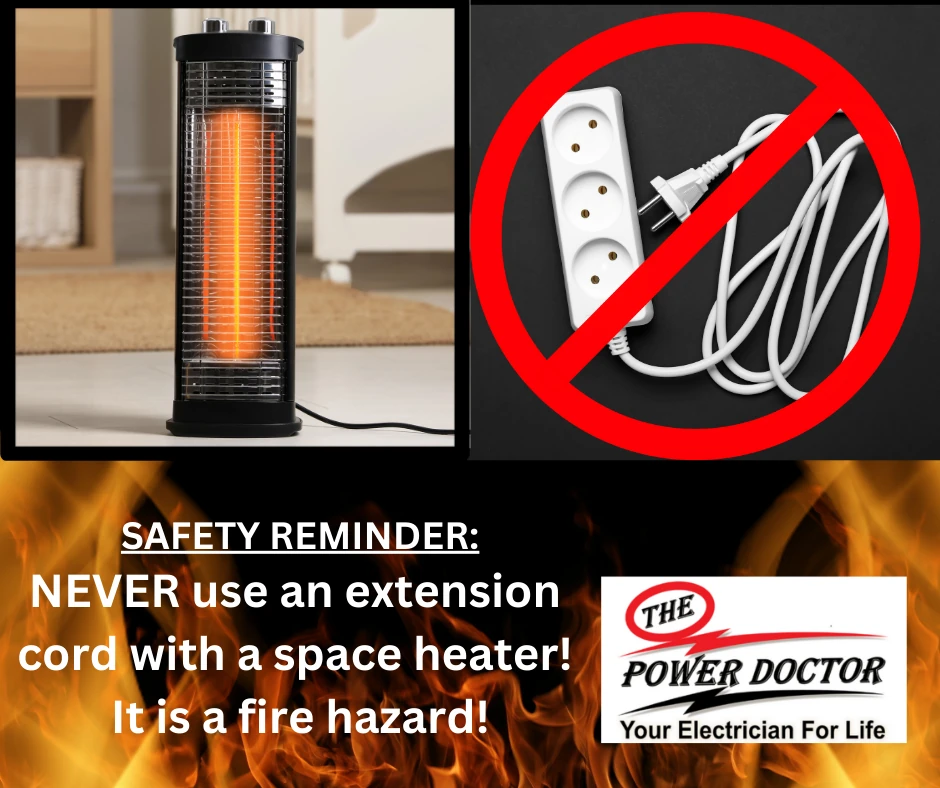
A space heater and a extension cable crossed out

Do space heaters use a lot of electricity? Absolutely—and that’s why using the wrong power source can be a serious fire hazard.


As the temperatures drop, space heaters emerge. Grabbing an extension cord to bring the warmth in closer may sound wonderfully cozy, but extension cords and space heaters do not mix. Space heaters are responsible for 1700 residential fires and about 80 deaths per year. Using an extension cord with a space heater creates a space heater fire hazard.


How Much Power Do Space Heaters Use?


Space heaters use a large amount of power, typically 750-1500 watts of electricity. Most extension cords are not rated to handle such a load. Space heaters with extension cords often overheat and melt cords, potentially starting a fire from the power overload. An overloaded extension cord or power strip can damage a home’s electrical system even if a …

Read Full Post

Top Benefits of Installing a Residential Generator: Power, Safety & Peace of Mind

A yellow generator

Why a Residential Generator is Essential for Power Outages: A Complete Guide 


Storms that cause mass power outages remind us of the importance of a generator. Residential generators can maintain power for essentials like refrigerators, medical devices, and communication devices. A reliable generator installation ensures you stay connected and safe. Residential generators can be invaluable.


Residential Generators for Remote Work and Home Offices


For households conducting school or work remotely, generators can ensure power for:


computers
routers
phone chargers
other related equipment


Charging cell phones and other communication devices can be crucial for safety and connection with others.

Depending on your generator’s size, it may power heating and air systems, which can be essential during heat waves and winter storms. Power outages can disrupt daily lives and essential activities. A residential generator can ensure uninterrupted power for …

Read Full Post

Water-Damaged Electrical Systems: How to Stay Safe

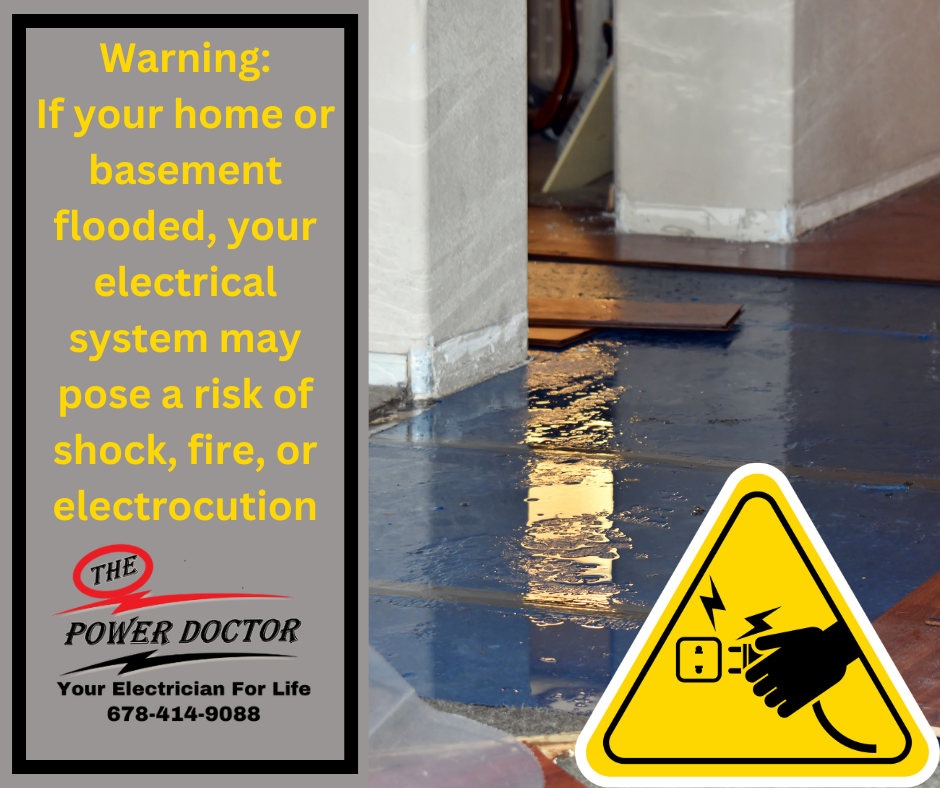
A house with water damage under the floor boards

Assessing Water Damage After a Storm


In the aftermath of Hurricane Helene, assessing water damage to your home’s electrical system is crucial. Water-damaged electrical systems can pose significant safety risks.


Water-damaged outlets and switches may short-circuit, increasing shock or electrocution risks. Water can damage an outlet or switch’s internal components, leading to corrosion and an increased fire risk.


Flooding Can Compromise Wiring


Depending on the extent of your home’s flooding, floodwater may have seeped into your home’s walls. Wiring insulation can be damaged by floodwaters and possible contaminants in the floodwater. Prolonged water exposure can cause corrosion. Even if your wiring fully dries, the insulation may continue to break down or degrade, leading to a risk of short circuits or fire.


Electrical Panel Damage: A Major Post-Flood Hazard


Flooded electrical panels can be dangerous, especially …

Read Full Post

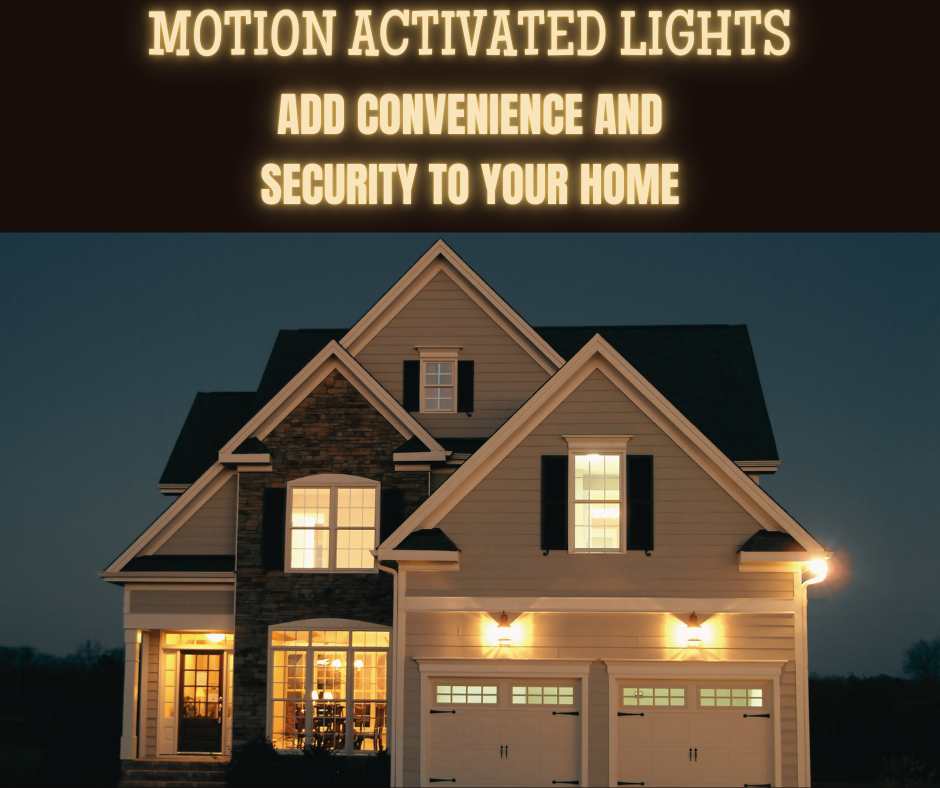
Enhance Security & Save Energy: Benefits of Installing Motion-Activated Lights

A house at night with motion activated lights on

Save Money and Boost Home Security by Installing Outdoor Security Lights


Many people gladly await the fall temperatures while dreading the end of daylight saving time. When the clock “falls back” an hour and darkness invades the evening hours, the need for artificial lighting increases, particularly outdoors. Outdoor security lights, also known as motion lights or motion-activated lights, are a practical and energy-efficient solution, offering enhanced security and the potential to save money.


Convenience of Outdoor Security Lights


Motion-activated outdoor security lights automatically turn on when they sense movement. This means you no longer have to turn them on for guests or yourself. This hands-free operation also means you never again have to remember to turn off your exterior lights.


Enhanced Home Security


One of the main benefits of installing outdoor security lights is their ability to startle and deter unwanted visitors, …

Read Full Post

Why Switch to LED Lights? Energy Savings, Longevity & Eco-Friendly Benefits

An electrician install an LED light

Save Money on Your Electric Bill with LED Lighting


“Why is my electric bill so high?” Many homeowners are asking this question. As electric bills soar, many homeowners are looking for ways to reduce these costs. One simple yet brilliant long-term solution lies in upgrading your home’s lighting.


If your next question is, “Will LED lights save money,” continue reading.


Why LED Lighting is the Smart Choice for Saving Money


Energy Efficiency — LED lighting consumes significantly less energy to produce the same light as an incandescent fixture.


Less Heat — Unlike incandescent bulbs, LED bulbs produce very little heat. Your house will not be as hot, and your A/C unit will run less. The benefits are not limited to relief on your electric bill; they extend to your cooling system by putting less demand on your A/C unit. 


Longevity — …

Read Full Post

Handyman vs. Electrician: Who Should You Hire for Electrical Work?

An electrician with his arms crossed

Can a Handyman Do Electrical Work? The Risks You Need to Know


Many handymen advertise electrical services, but are they qualified to safely handle your home’s wiring and electrical system? Understandably, most home owner's are unaware of the risks, like an arc flash, that can be detrimental to a home or anyone nearby when such an incident occurs. 


The Dangers of Faulty Electrical Work


Incorrect electrical installations increase the risk of fires, injuries, and costly repairs. According to the U.S. Fire Administration, approximately 24,200 residential fires occurred in the U.S. in 2021. The result was an estimated 295 deaths and 900 injuries.1

Think it won’t happen to you? Out of those almost 1200 people, most probably thought the same. Did you know that The Power Doctor owners have extended family members who lost three children in a house fire and left their mother, who tried to …

Read Full Post

Overloaded Circuits: Signs, Dangers, and How to Prevent Electrical Hazards

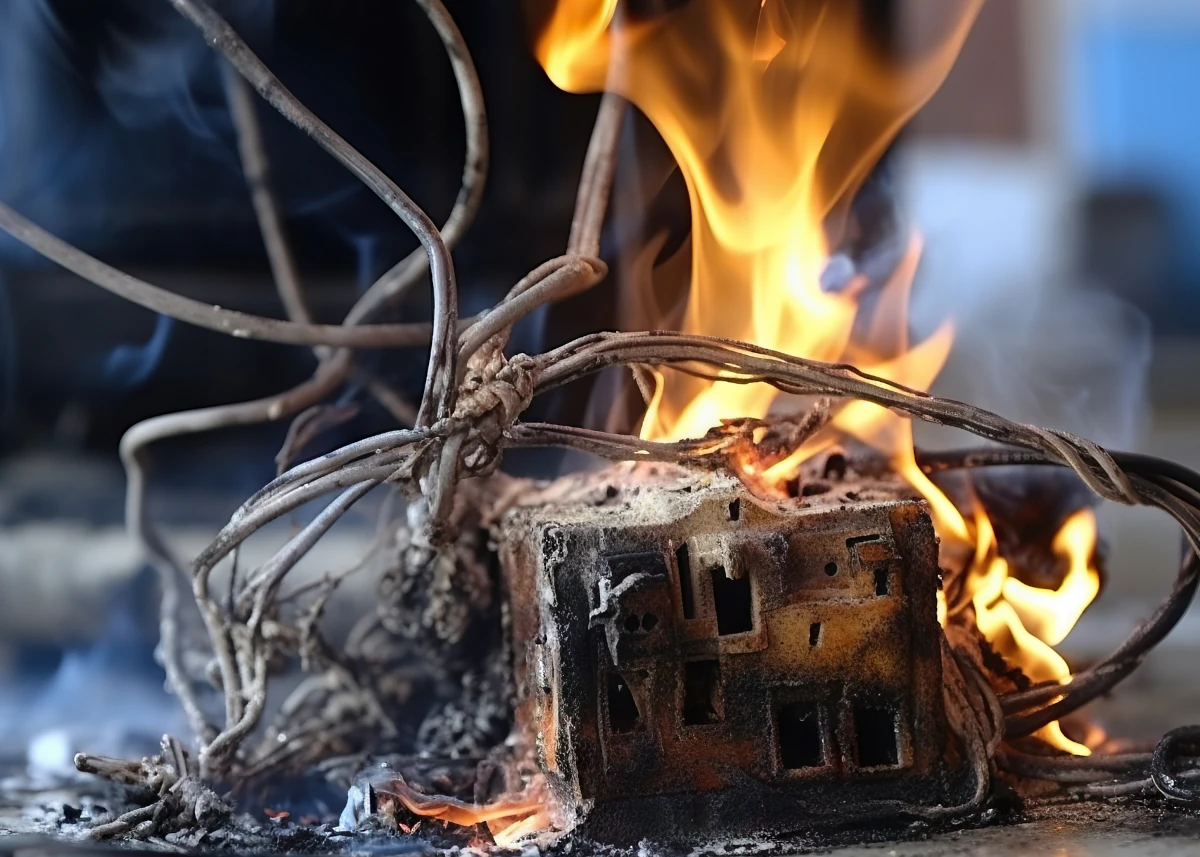
An outlet on fire

Some homes face challenges in meeting power demands. One common issue is electrical circuit overload, a concern that compromises the efficiency of electrical systems and poses safety risks.


Signs of an overloaded electrical circuit can manifest in various ways. Recognizing these signs can reduce the risk of electrical hazards that may be detrimental to the safety of your home and your family's well-being. 


Recognizing the Signs of an Electrical Circuit Overload:


Frequently Tripping Circuit Breakers can signal that the electrical circuit is drawing more current than it can handle. If you’ve asked, “Why does my breaker keep tripping,” the answer is 'something is wrong.' Tripping breakers are a safety mechanism essential to prevent overheating, but leaving the problem undiagnosed can be hazardous. 


Dimming or Flickering Lights may indicate an overloaded electrical circuit, especially when using high-power appliances, such as space heaters, deep fryers, microwave …

Read Full Post