
What Causes Lights to Flicker
June 24, 2026
What Causes Lights to Flicker
When a light in your home starts to flicker, the usual assumption is that the bulb is going bad. While that is often true, a flickering light could also be a warning sign of a more serious electrical issue. Some examples of these issues include loose electrical connections, voltage fluctuations, and overloaded circuits. Some of these issues may be a potential fire hazard. Understanding the cause can help you determine whether it's a simple fix or if it's time to call a licensed electrician.
Loose or Failing Light Bulb
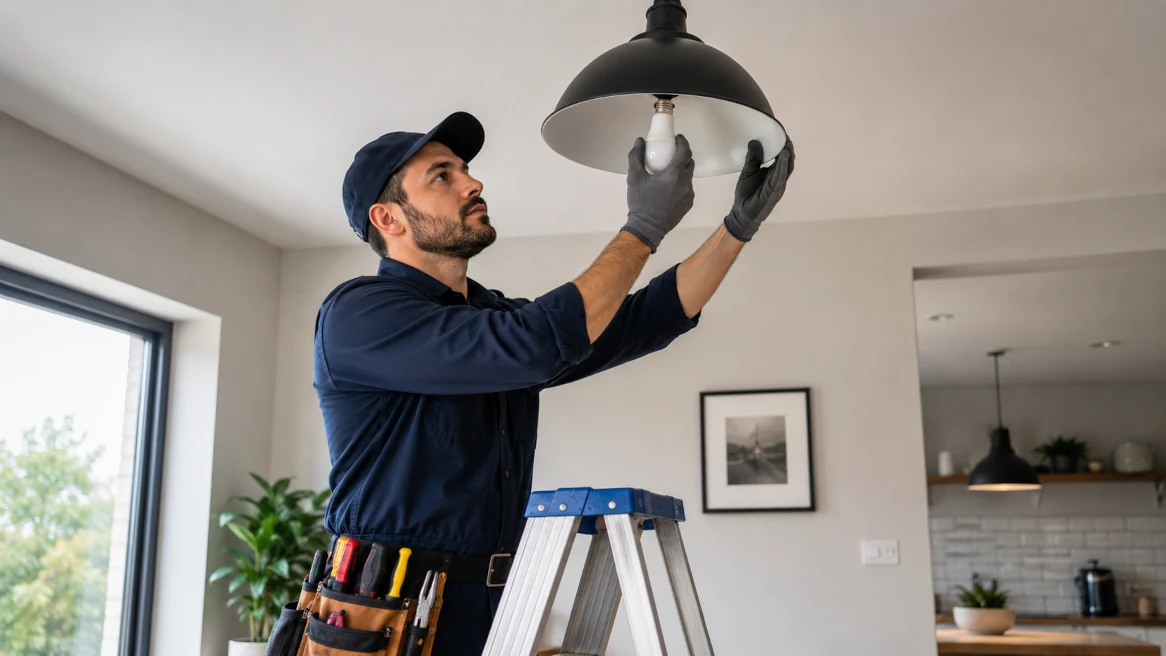
Before considering worst-case scenarios, look at the most common issues, starting with the light bulb. Normal activity around your house can cause vibrations that can loosen the light bulb, leading to a poor connection. Your first step should be to make sure the light bulb is securely screwed into the fixture.
If tightening the bulb doesn't solve the problem, replace the bulb with a new one. If the new bulb also flickers, verify it works properly by placing it in a lamp or another fixture. Even unused light bulbs can degrade over time. If you’ve ensured your light bulb is working and swapping it didn't fix the issue, the light fixture itself has likely degraded and needs to be replaced.
Voltage Fluctuations
Do your lights dim or flicker when the air conditioner starts, the microwave runs, or another large appliance turns on? Dimming or flickering lights when large appliances are running may indicate a voltage fluctuation. Some minor dimming when large appliances start is normal. However, significant flickering throughout the home could indicate a problem with your electrical system. An electrician can measure voltage levels and determine whether your home's electrical system is operating properly.
Overloaded Circuits
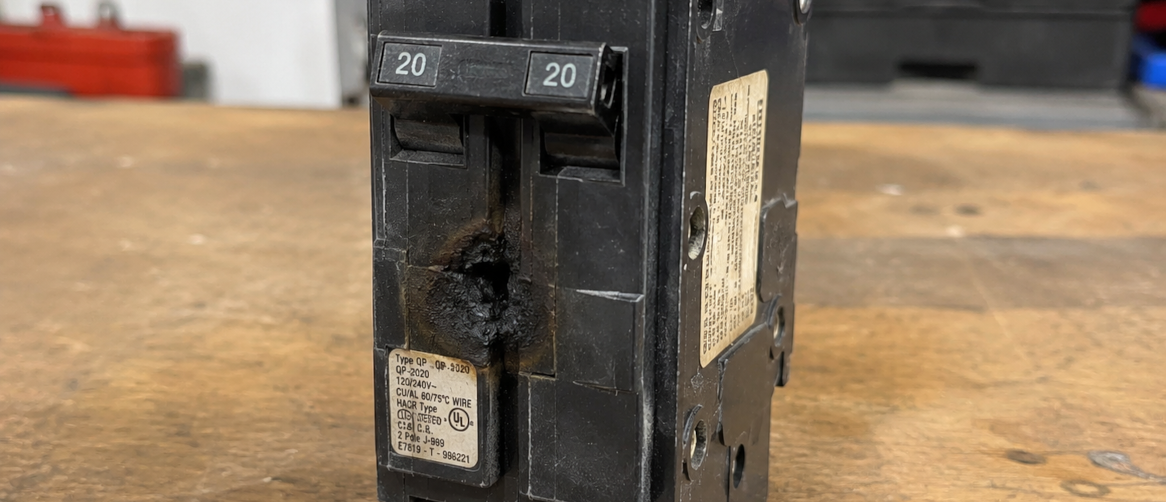
Modern homes use far more electricity than homes built decades ago. If too many appliances or devices are connected to the same circuit, the circuit can become overloaded. Solving this issue may require a licensed electrician to redistribute the electrical load or add an additional circuit.
Common signs of circuit overload include:
- Flickering lights
- Frequently tripped breakers
- Warm outlets or switches
- Appliances that struggle to operate properly
Loose Electrical Connections Can Be Dangerous
One of the more serious causes of a flickering light is a loose electrical connection. Connections can loosen over time due to temperature changes, vibrations, or aging electrical components. A loose connection can cause the wires to heat up and arc, which significantly increases the risk of an electrical fire. If you suspect a loose connection, contact a licensed electrician right away.
Warning signs of loose electrical connections may include:
- Flickering lights that worsen over time
- Burning smells
- Buzzing sounds
- Warm switches or outlets
- Discolored electrical devices
Problems with the Electrical Panel
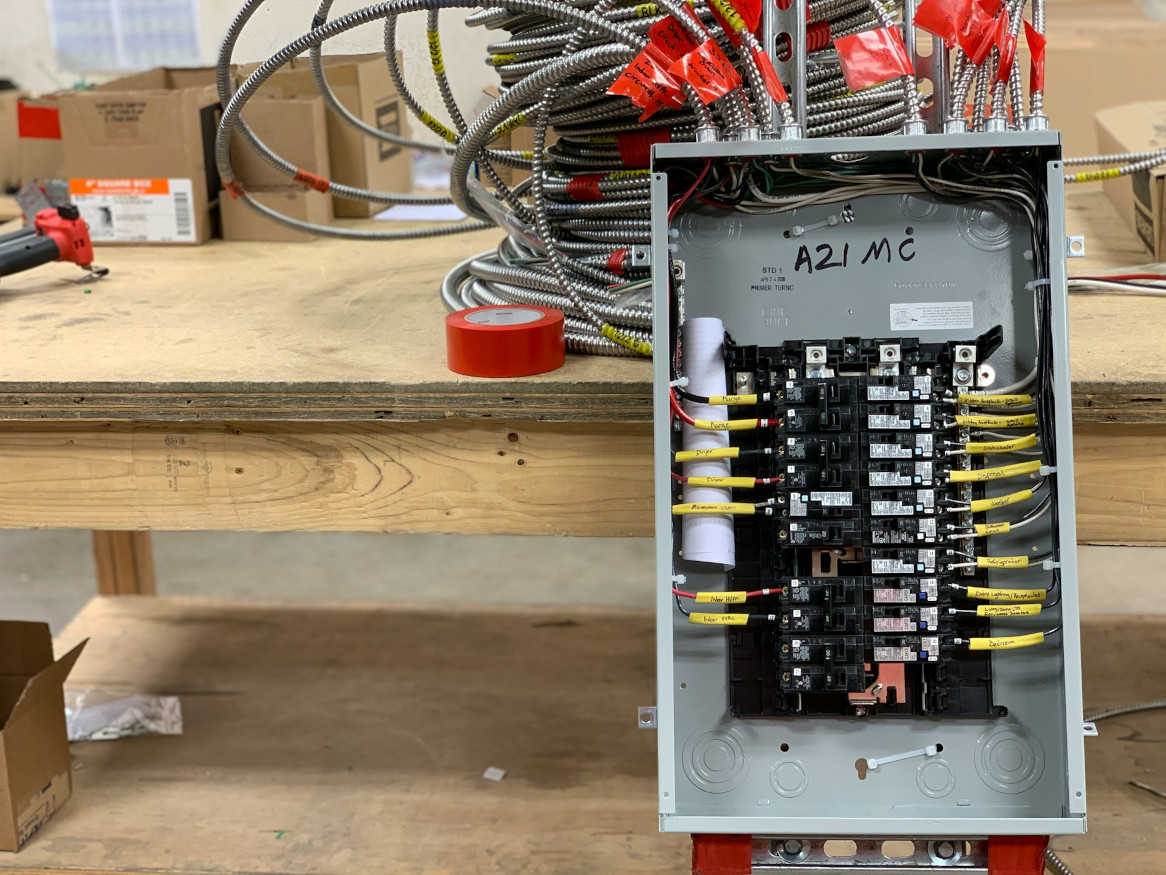
When a light starts to flicker, it could be a sign that a problem is developing in your electrical panel. A failing breaker, loose breaker connection, or aging electrical panel can cause lights to flicker throughout the home. If your house has an older panel (i.e., installed before 1990), it could also be your panel struggling to handle modern electricity demands. If multiple rooms are affected, your electrical panel should be inspected by a licensed electrician.
When Flickering Lights Are an Emergency
Some flickering lights are simple to fix. Others may require expert remediation. It's important to identify the cause of the issue as soon as possible so you can choose the appropriate action.
Contact a licensed electrician if the flickering is accompanied by these symptoms:
- Burning odors
- Sparking outlets
- Buzzing sounds
- Smoke
- Frequent breaker trips
- Partial power loss in the home
All of the symptoms listed can indicate dangerous electrical conditions in your home that shouldn’t be ignored.