
What You Should Know Before Installing An EV Charger
July 21, 2026
What You Should Know Before Installing An EV Charger
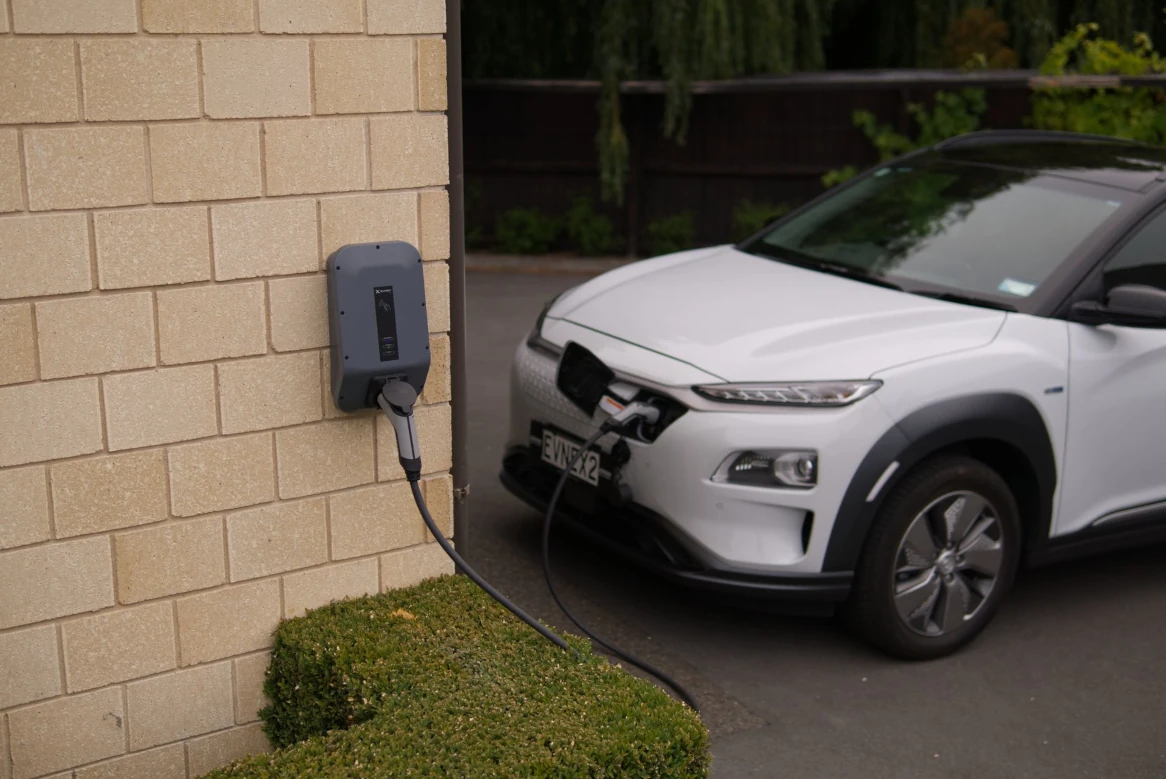
As electric vehicles become more common, many homeowners are choosing to install a home EV charger for more convenient charging. While charging using a regular household outlet is possible, installing a dedicated EV charger in your home offers far shorter charging times and makes the overall experience far less troublesome.
Before you start planning to install an EV charger, there are several important factors to consider to ensure your home can handle the added load of a charger safely.
Choose The Right Type of Charger
There are two primary types of EV car chargers.
Level 1 Chargers use a standard 120-volt outlet and are often included with the vehicle. They require no special installation, but as a result, they charge very slow usually only get about 4-6 miles worth of charge an hour.
Level 2 Chargers operate on a 240-volt circuit and require a professional for installation. These chargers are a lot faster than the level 1 charger, often being able to get a full charge by simply charging overnight. Because of their charging speed, they are typically the preferred choice for most EV owners.
Make Sure Your Electrical Panel Has Enough Capacity
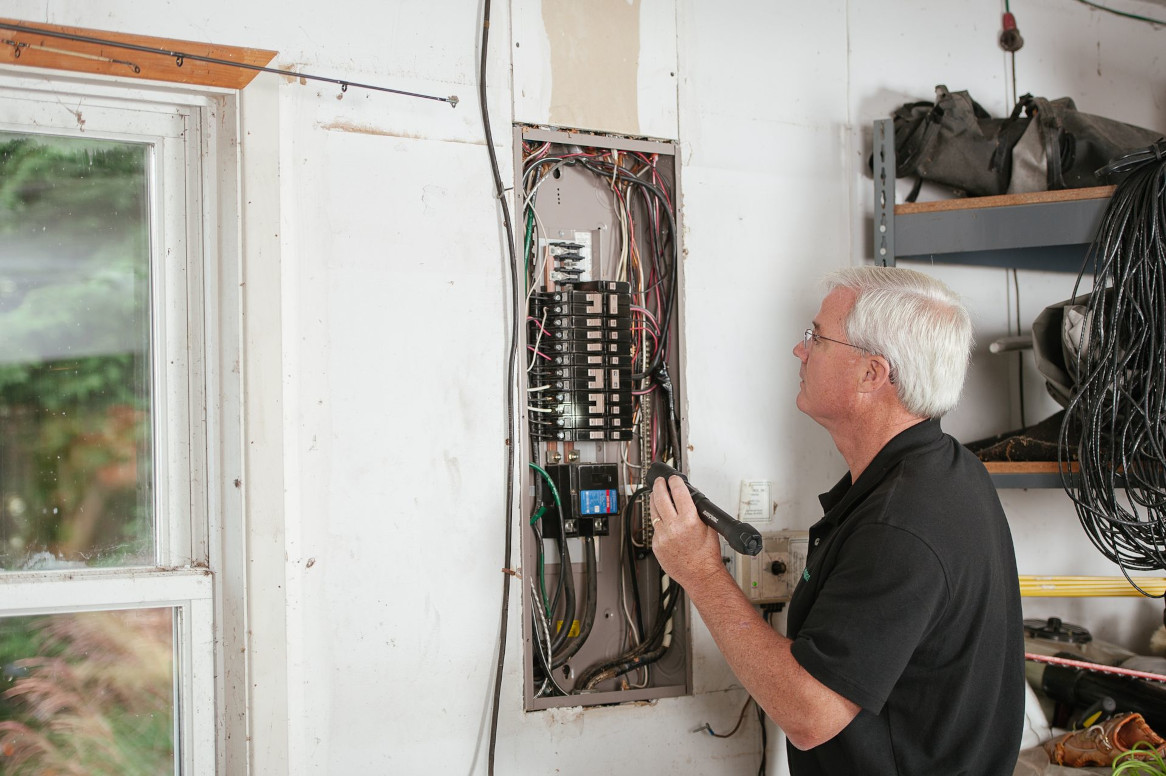
Before installing an EV charger, you must first determine if your home’s electrical system can handle the addition of a car charger’s electrical load.
Many newer homes are typically built with electrical systems that can handle the added load without any modifications. Older homes, though, may require a panel upgrade or additional electrical work before installation is possible.
If you are unable to determine the capabilities of your electrical panel, you can contact an electrician to have it inspected to determine if installation is possible.
A Dedicated Circuit Is Required
Level 2 EV chargers require their own dedicated circuit. This means that the charger cannot share power with outlets or appliances.
Installing a dedicated circuit prevents overloaded wiring and allows the charger to operate safely and reliably.
The circuit size will depend on the charger's electrical requirements and should always be installed according to local electrical codes.
Professional Installation Helps Protect Your Home
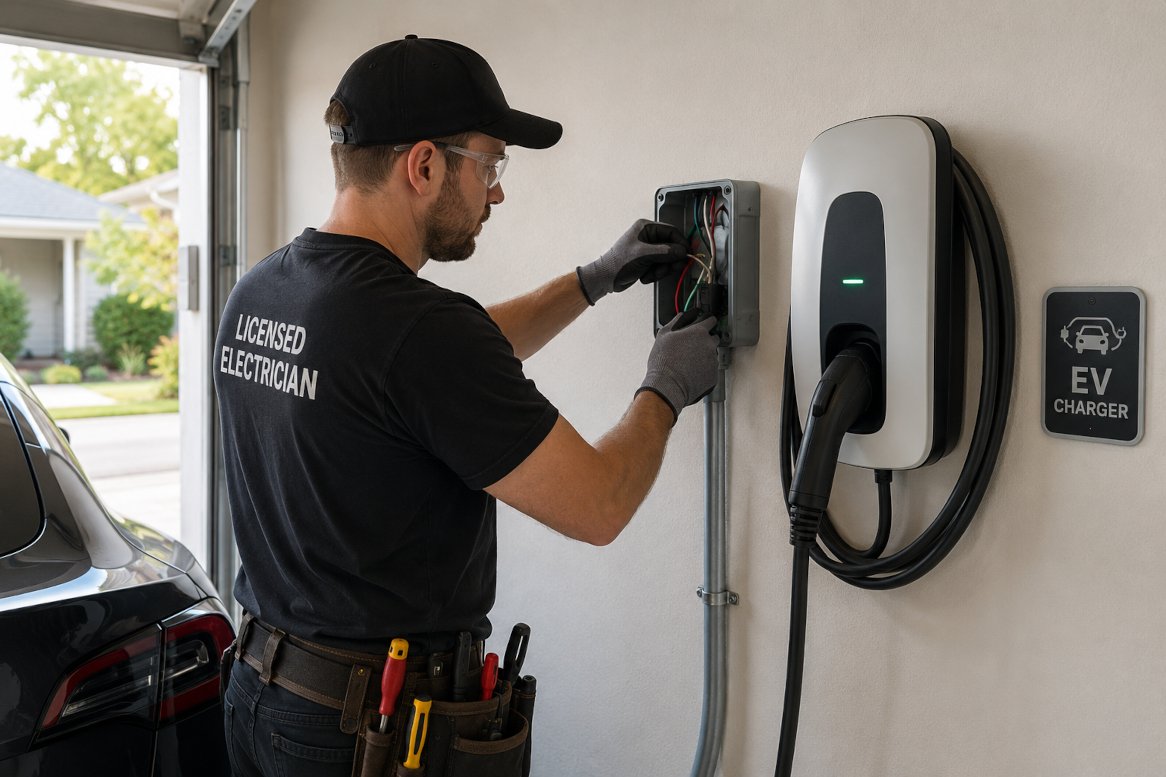
Installing an EV charger involves more than simply mounting equipment to a wall. Making sure wire size is correct, breaker selection, grounding, and code compliance all ensure safe operation of the charger. The best way to accomplish this is by hiring a licensed electrician to evaluate your system and complete the installation correctly and safely.
Schedule Your EV Charger Installation
If you're ready to enjoy the convenience of charging your electric vehicle at home, working with a qualified residential electrician is the best place to start.
At The Power Doctor, we provide professional EV charger installations for homeowners throughout our service area. We'll evaluate your electrical system, recommend the right installation for your needs, and ensure everything is installed safely and up to code.
Contact us today to schedule an estimate and make home charging simple, safe, and reliable.